Novelty Giant Plush Cave Hideout Bed: Where Imagination Goes to Sleep
Ask any child where the best place in the house is, and the answer is rarely the couch or the bedroom. It is the gap behind the sofa, the blanket draped over two chairs, the cardboard box that arrived with something far less interesting inside. Children are born cave-seekers. They want a small, enclosed place that belongs only to them, a spot where the rest of the world gets quieter and their own stories get louder.
A novelty giant plush cave hideout bed takes that instinct and gives it a proper home. Picture a soft ice cream cone taller than a toddler, a pirate ship with a sleeping deck, a yellow submarine with round portholes, or a huge blue whale with a round doorway in its side. These are not ordinary beds. They are sculptural, padded play spaces where climbing, hiding, reading, pretending and falling asleep all happen in the same spot.
This article looks at what makes a novelty giant plush cave hideout bed so appealing, how different themes shape different kinds of play, what happens inside the cave when the lights go down, and how families can think about fitting one into a real home. The idea running through all of it is simple: sleep comes easier when the bed feels like a place worth being in.
What Is a Novelty Giant Plush Cave Hideout Bed?
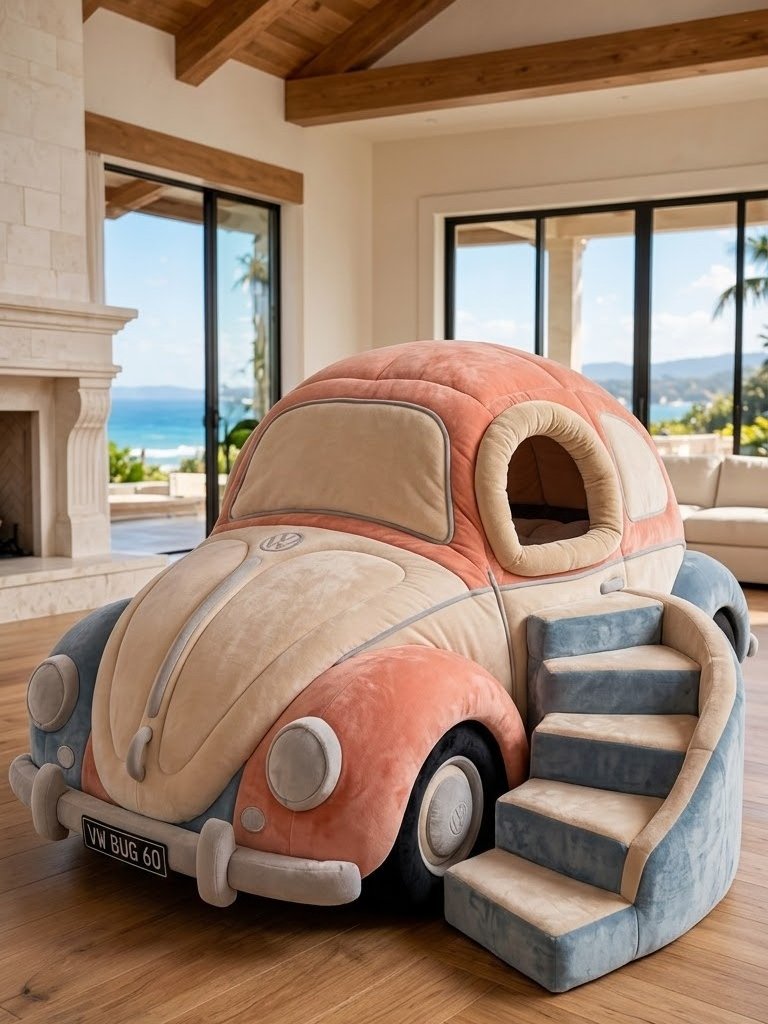
The name is long, so it helps to break it into parts. “Novelty” means the shape is playful and unexpected. Instead of a rectangle with a headboard, the piece looks like something from a picture book. “Giant” means it is built at a scale children can physically enter, not a small toy sitting on a shelf. “Plush” describes the material and the padding, usually velvety or fleece-like fabric over thick foam, with quilted seams that give the surface a squishy, huggable feel. “Cave hideout” points to the heart of the design: a rounded opening leads into a snug interior where a child can curl up out of sight.
Most designs share a few common features. There is an entry hole, often ringed with a contrasting padded border so it reads clearly as a doorway. There is a soft floor inside, sometimes with a cushion or mattress layer. There are steps, ramps or climbing bumps on the outside, so getting in becomes part of the fun. And there is usually a wide base, such as a round mat shaped like a plate, a wave, or a pond, which gives the whole piece a stage to sit on and cushions the area around it.
What sets a novelty giant plush cave hideout bed apart from a simple pillow fort is permanence and craftsmanship. A blanket fort collapses by dinnertime. A structure built from shaped foam and stitched panels keeps its form, so the story a child started on Monday is still waiting on Tuesday.
Why Children Are Drawn to Hideouts
Developmental researchers have long noted that children love small, enclosed spaces. The reasons are practical and emotional at once. A child’s world is full of tall adults, big rooms and rules set by other people. A hideout reverses the scale. Inside a cave, the child is the right size, and everything around them feels sheltered rather than looming.
A Place That Belongs to Them
Ownership matters enormously at this age. A child cannot decide when dinner happens or where the family goes on Saturday, but they can decide who is allowed into the cave and what the house rules are inside. That small taste of control builds confidence. It also gives them somewhere to retreat when feelings get too big, which is a healthy coping habit rather than a sign of avoidance.
The Calm of Enclosed Spaces
Soft walls dampen sound and soften light. Many children who struggle to settle at night find that a cozy, contained space helps their body slow down. The sensation is similar to being swaddled as a baby or wrapped in a heavy blanket. A novelty giant plush cave hideout bed offers that sense of containment without feeling like a cage, because the doorway stays open and the child can leave whenever they like.
Stories Need Settings
Pretend play works best when the setting does some of the work. A child curled inside a giant whale does not need to be told they are swimming under the sea. The shape suggests the whole scene. That is why themed hideouts tend to hold attention far longer than plain cushions: the imagination has something to push against.
Themes That Spark Different Kinds of Stories
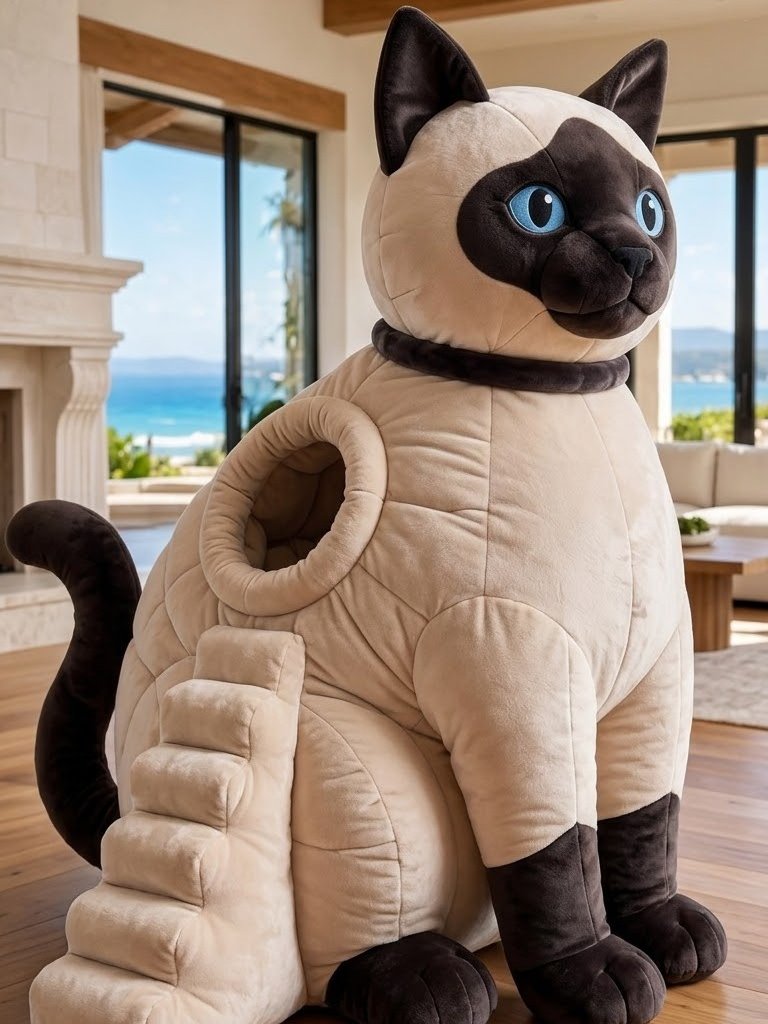
The theme of a novelty giant plush cave hideout bed does more than decorate it. It nudges the kind of play that happens around it. Here are some of the directions designers have taken, and what each tends to inspire.
Sweet Treat Hideouts
A giant waffle cone topped with swirls of pink and cream plush, finished with a bright red cherry, is nearly impossible to walk past. The waffle texture is stitched into the fabric, the sprinkles are tiny padded pieces, and the cone base can include small climbing bumps shaped like cookies and candies. A round mat splashed with colorful drips completes the dessert-shop look. Children treat these designs like imaginary bakeries and parlors, serving invisible scoops to stuffed animals and visiting parents.
A related design takes the form of a frosted cake or milkshake, with a thick cream topping, plush strawberries and a striped straw rising from the top. The round doorway sits right in the icing, and cookie-shaped steps lead up to it. These pastel, soft-textured pieces suit calm, cozy rooms and tend to appeal to children who love gentle, nurturing role play.
Vehicles That Go Everywhere
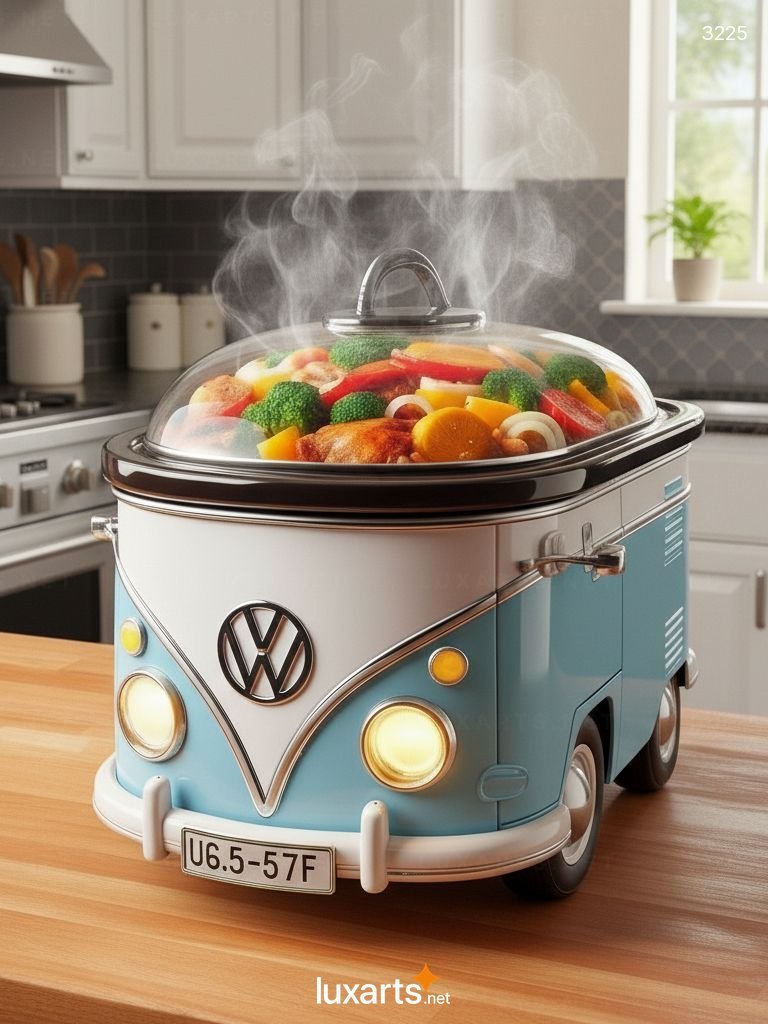
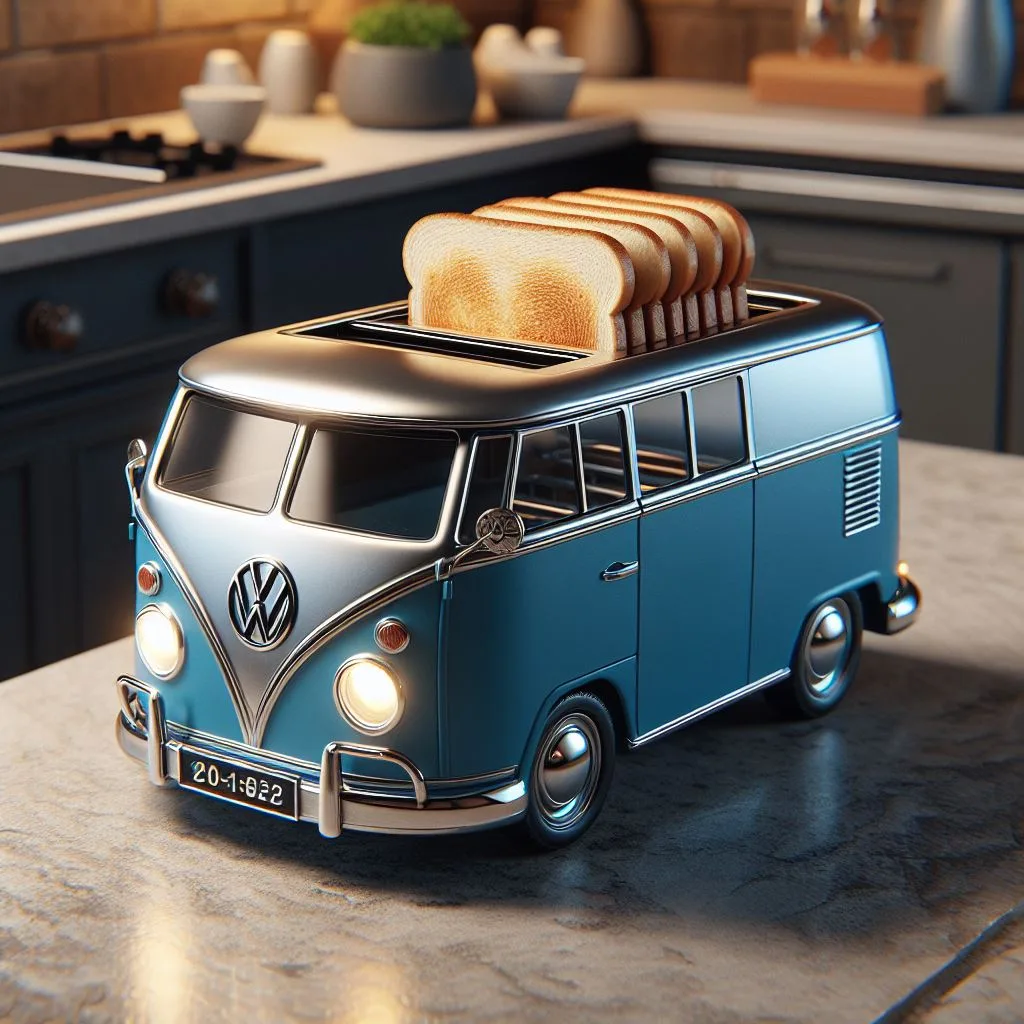
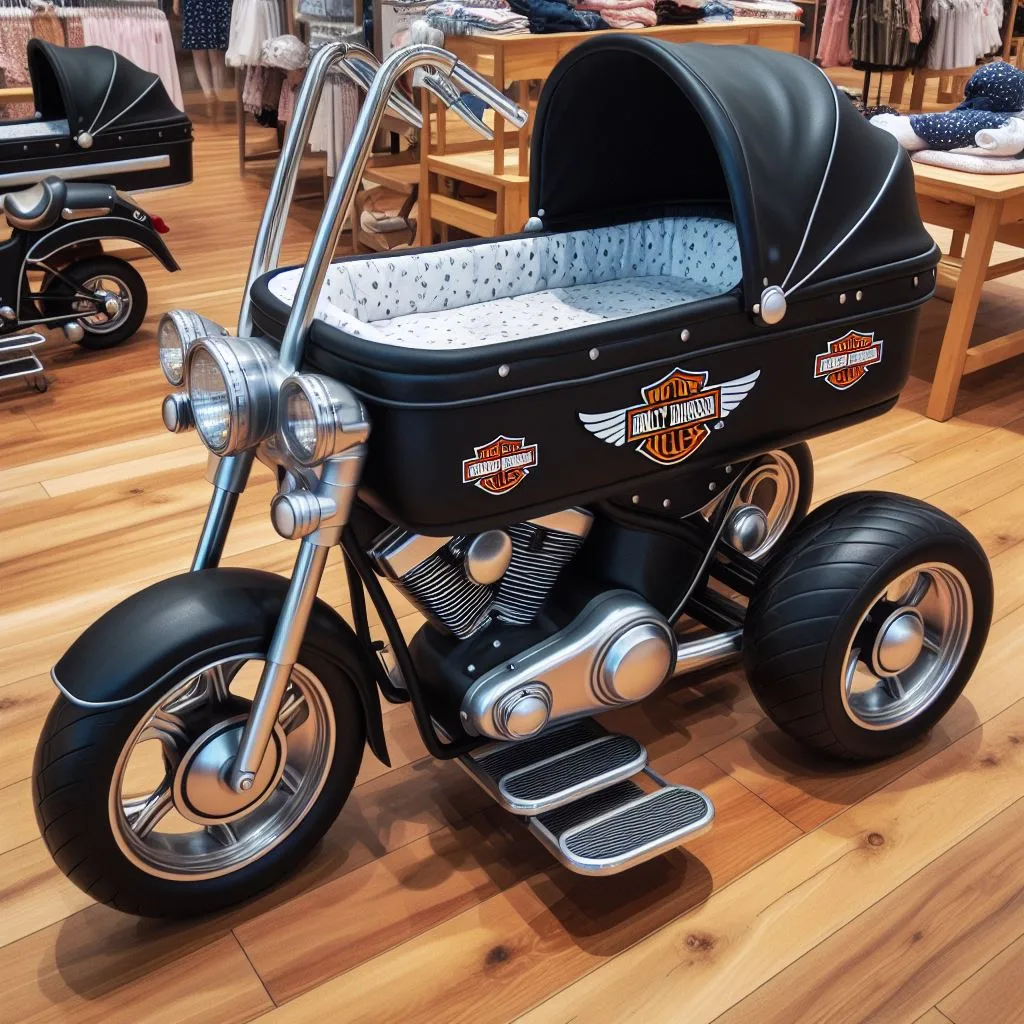
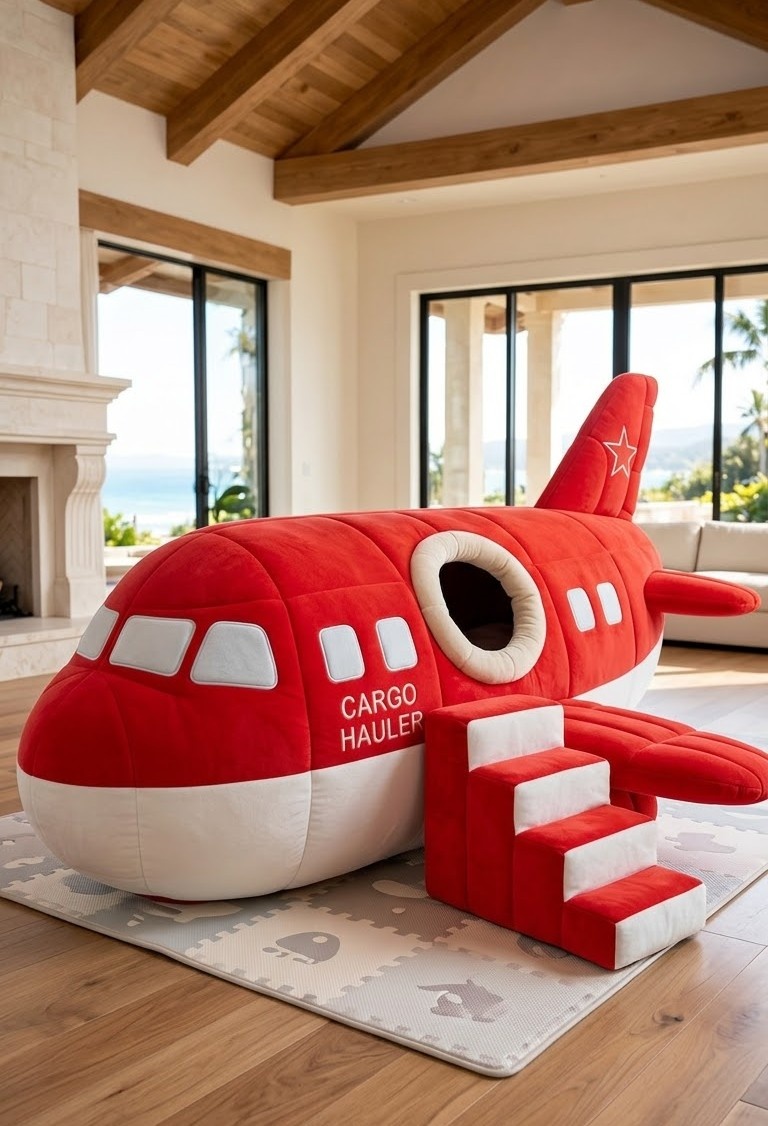
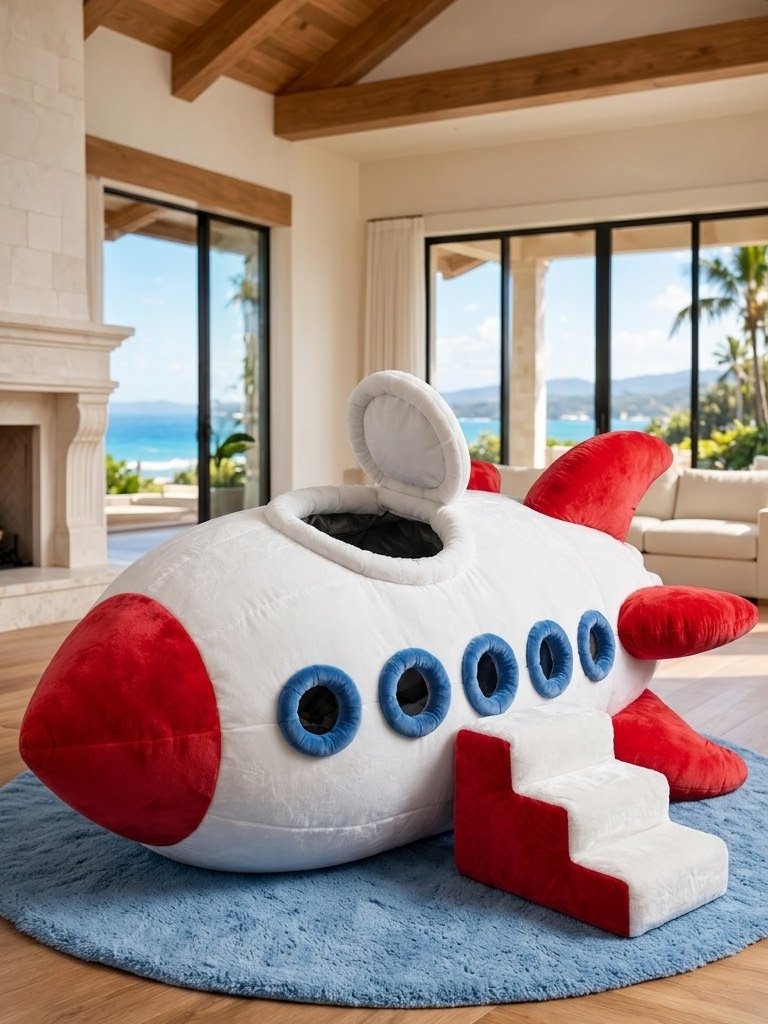
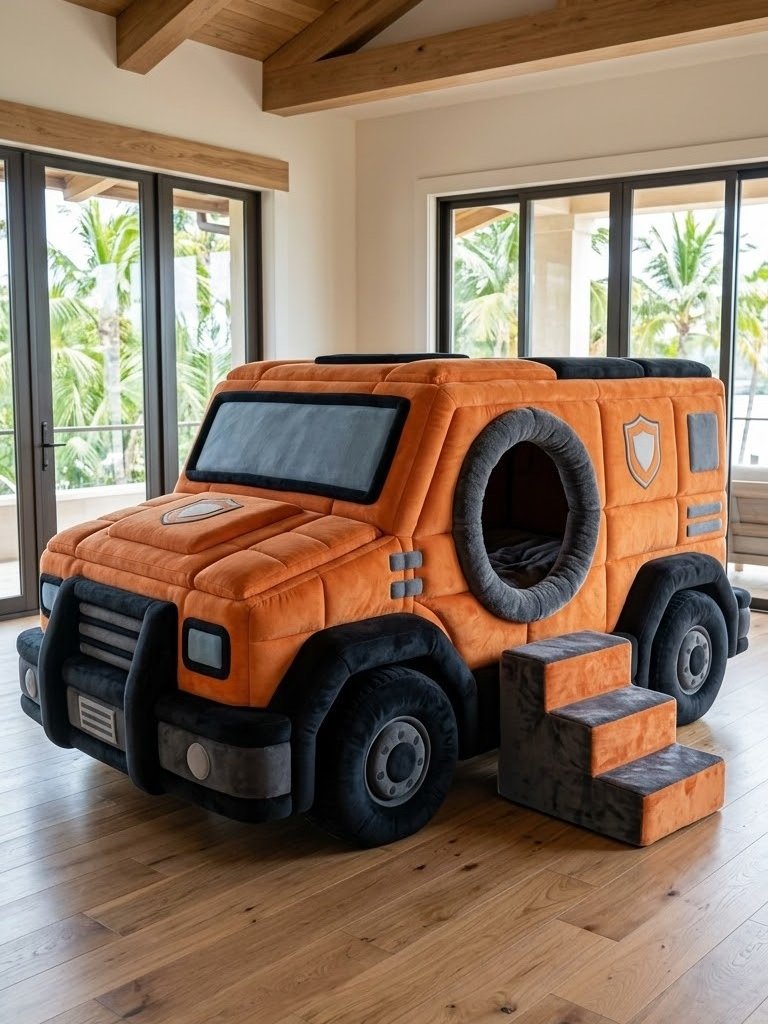
A retro camper van with a blue and white body, round headlights and tiny plush windows turns every evening into a road trip. A bright red tractor with chunky black wheels, a smokestack topped with a puff of cotton cloud, and a ladder up the side invites farm stories. A chrome-trimmed motorcycle with padded handlebars gives older kids a feeling of rugged independence. A small airplane with portholes and a hatch on top lets a child become the pilot, the passenger and the air traffic controller in one afternoon.
Vehicle themes are especially good for children who love movement. The outside of the piece invites climbing and pretend driving, while the inside becomes the cabin, the cockpit or the sleeper compartment once it is time to rest.
Ocean and Water Adventures
Water themes carry a built-in sense of wonder. A plush blue whale with a cream belly and soft flippers feels friendly rather than frightening, and the round entry looks like a blowhole or a cozy cave in its side. A rubber duck the size of a small armchair, sitting on a wavy blue mat, makes bath-time imagery part of the bedroom. A yellow submarine with portholes, railings and a periscope lets children plan deep-sea expeditions from inside a padded hull.
Then there is the pirate ship, which many families consider the grand prize of the category. A dark hull quilted in deep charcoal, an anchor stitched across the bow, a mast with a flag, and a sleeping loft with warm string lights give children a full adventure stage. Ropes, steps and a lower hideout tucked under the deck mean that several kinds of play can happen in one structure at once.
Inside the Cave: Building a Cozy Interior
The outside of a novelty giant plush cave hideout bed gets the attention, but the inside decides whether a child actually sleeps there. A well-planned interior is quiet, warm and a little bit mysterious.
Soft flooring comes first. A thick cushion or low mattress layer gives the child a place to lie down comfortably, and a washable cover keeps things fresh after snacks, spills and the occasional damp teddy bear. Neutral inner fabrics, such as warm tan or cream, glow gently in low light and make the space feel like a burrow rather than a box.
Lighting changes everything. A string of warm, low-heat lights along the edge of an upper deck, as seen in some ship designs, turns the interior into a lantern-lit cabin. A small clip-on reading light lets older children enjoy a chapter book without lighting up the whole room. Gentle, warm tones are better than bright white ones, since they signal to the body that the day is ending.
Finally, there is the matter of personal touches. Pillows in different textures, a favorite blanket, a basket of picture books and a few stuffed companions turn the cave from a piece of furniture into a personal den. Children tend to rearrange these items constantly, and that rearranging is part of how they claim the space.
More Than Sleep: Climbing, Crawling and Body Play
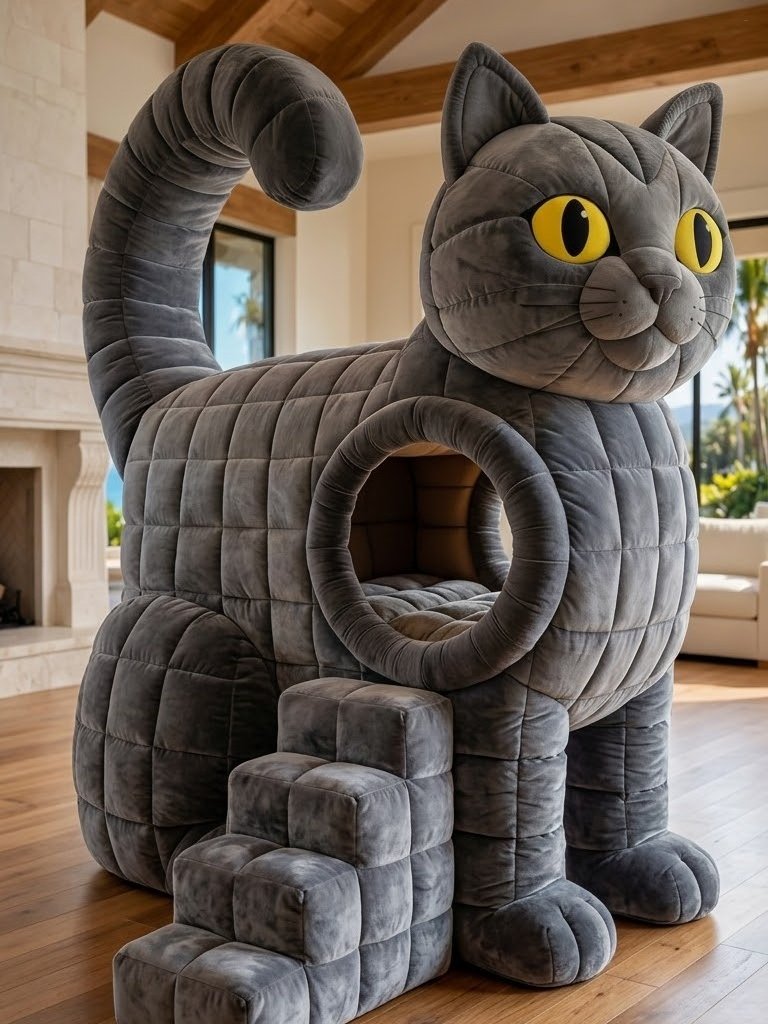
Bedtime is only a fraction of the day, and a good hideout earns its place by being useful during the other hours too. The steps, ramps and bumps on the outside of these pieces give children a low-risk way to practice big physical skills.
Crawling through the entrance builds coordination and spatial awareness. Climbing a set of padded steps strengthens legs and core muscles. Stepping from a platform down onto a soft mat teaches balance and judgment about height. For toddlers, the whole sequence of approach, climb, crawl and settle is a small obstacle course that keeps them absorbed for long stretches.
The padded construction matters here. Rounded edges, thick foam and a cushioned base mat soften the inevitable tumbles, which lets children take small physical risks in a setting designed to forgive mistakes. Parents often find that a child who has climbed, crawled and tumbled for an hour is calmer and ready for sleep afterward.
Turning Bedtime Into a Welcome Routine
Bedtime resistance is one of the most common struggles in family life. Children stall, negotiate and suddenly remember urgent questions about dinosaurs. A novelty giant plush cave hideout bed does not remove that struggle entirely, but it changes the emotional tone of it.
When the bed is a destination, the routine can become part of the story. A child heading to a whale cave might “swim home” after brushing their teeth. A young pilot might complete a “pre-flight check” before climbing into the cabin. A pirate might need to lower the sails and say goodnight to the crew. These small rituals give children a sense of agency, and a child who feels in charge of the routine is far more likely to cooperate with it.
Reading together at the cave entrance can become a favorite ritual, too. The doorway forms a natural frame, with the child tucked inside and a parent sitting just outside. Closeness and privacy exist side by side, which helps children feel safe enough to wind down.
Safety and Thoughtful Design Details
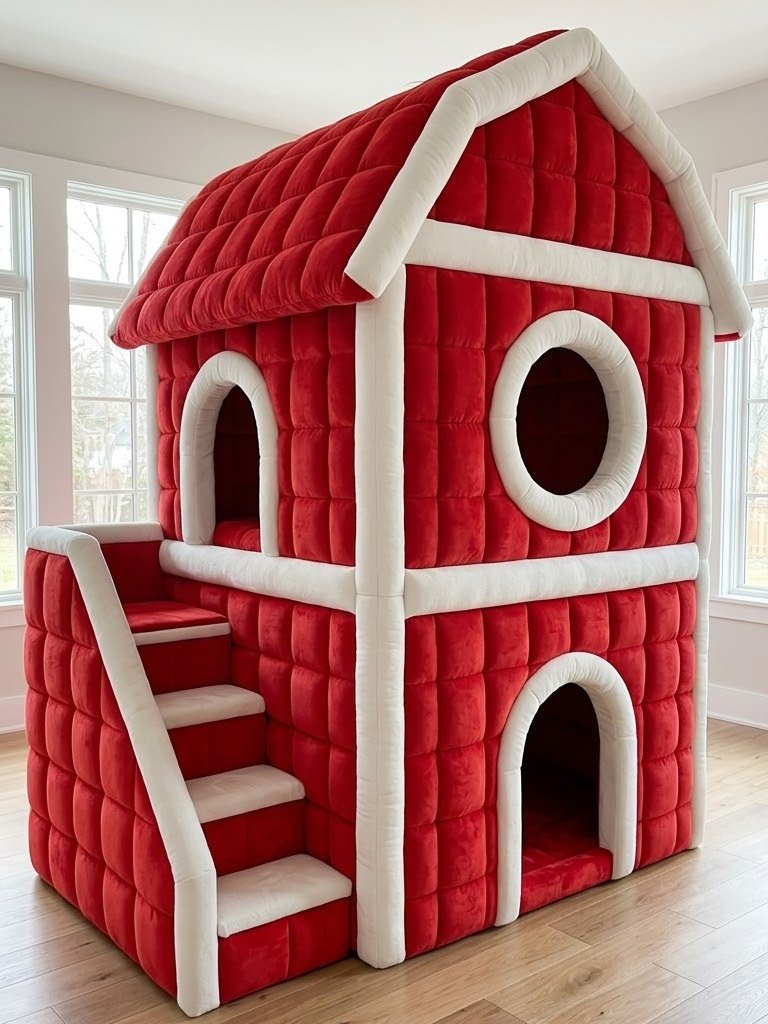
A giant plush structure should be as sensible as it is charming, so families should look closely at a few practical points before settling on any design.
- Stability: The base should be wide and heavy enough that the structure cannot tip when a child climbs on it or leans against a wall.
- Ventilation: The entry opening should be large, and the interior should never feel airless. Open doorways and portholes help air move freely.
- Soft edges: Rounded corners and thick padding around steps and doorways reduce bumps and scrapes.
- Fabric quality: Skin-friendly, tightly stitched materials with secure seams stand up better to enthusiastic play. Look for covers that can be spot-cleaned or removed for washing.
- Safe decorations: Small decorative pieces such as sprinkles, buttons or toppings should be firmly attached, especially in homes with very young children.
- Height awareness: Raised sleeping decks suit older children. Younger children are better off with ground-level interiors and low steps.
Supervision still matters, particularly with toddlers. A hideout is a place of freedom, but a parent nearby ensures that climbing stays within the child’s ability.
Making Room at Home
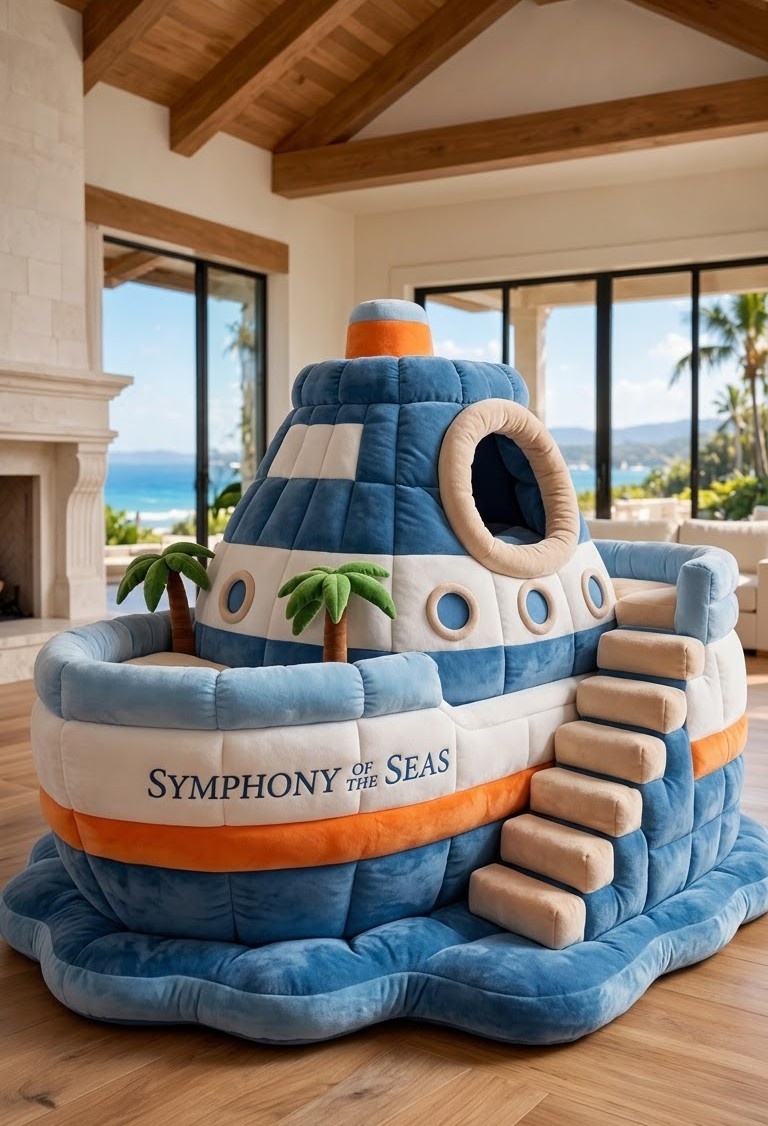
Large, sculptural pieces need space, and it is worth thinking about the room before falling in love with a design. A cone, a cake or a duck with a round mat wants a clear circle of floor around it. A long piece such as a whale, camper van or submarine needs a wall-length stretch. A loft-style ship needs generous ceiling height.
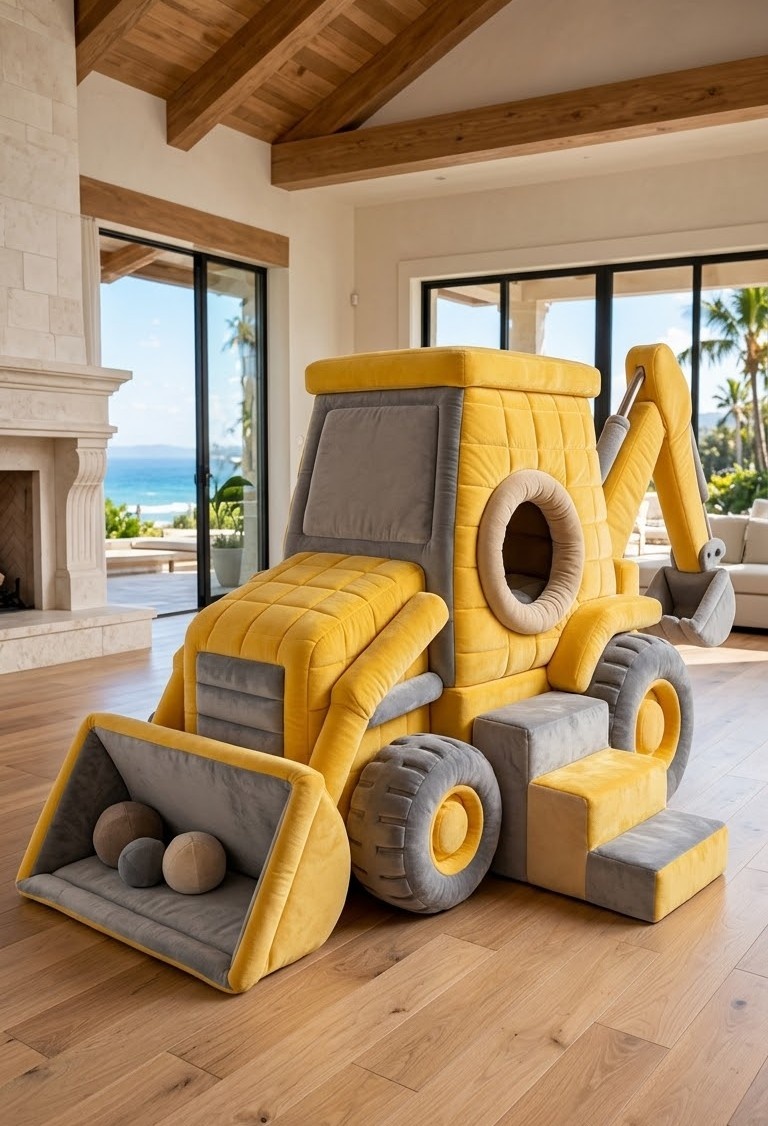
Color and style matter as well. Soft pastels in a pink cupcake or cream-and-blue whale blend easily into a calm, light-filled room. Bolder pieces, like a red tractor or a yellow submarine, can anchor a playroom with strong personality. Some families treat the piece as the centerpiece of a themed room and build the rest of the decor around it, with matching bedding, wall art and rugs. Others prefer to let the hideout be the single loud statement in an otherwise quiet space.
Placement near natural light is a pleasant bonus. Many of the most striking photographs of these pieces show them beside tall windows, where daylight warms the plush and makes the interior glow.
A Bed That Grows With the Child
Children change quickly, and the way they use a hideout changes with them. A toddler might treat it as a crawling tunnel and a place for naps. A preschooler turns it into a restaurant, a spaceship or a rescue boat. A school-age child might claim it as a reading nook, a place for sleepovers with cousins, or a private club with a hand-drawn sign on the door.
The theme can age gracefully, too. A whale or submarine is just as appealing to a seven-year-old as to a three-year-old, because the stories simply get more elaborate. Even when the child eventually moves on to a more grown-up bedroom, the piece often remains a favorite spot for siblings, visiting friends or a quiet afternoon with a book.
Why These Beds Stay in Memory
Adults rarely remember the exact bedsheets from their childhood, but many can describe a favorite hiding place in vivid detail: the fort under the dining table, the corner of the attic, the space inside a wardrobe. Those places lasted in memory because they were chosen, claimed and filled with stories.
A novelty giant plush cave hideout bed is built around that same idea, only with more softness and far better lighting. It gives a child a place to feel small in a good way, sheltered and curious and unhurried. Years later, the specifics may fade, but the feeling of being tucked inside a giant friendly whale or a glowing pirate ship cabin tends to stay.
Conclusion
A novelty giant plush cave hideout bed is more than an eye-catching piece of children’s furniture. It answers a deep and very old childhood instinct: the need for a small, soft, private place to play, rest and dream. Whether it takes the form of an ice cream cone, a rubber duck, a camper van, a submarine or a swaying pirate ship, the best designs share the same quiet purpose. They make the act of going to bed feel like the start of an adventure rather than the end of a day.
For families, the reward is practical as well as emotional. Children climb, crawl, read and pretend inside these spaces, then settle more easily when it is time to sleep. For the children themselves, the reward is simpler. They have found a place that feels like it was made just for them, and that is exactly where imagination goes to sleep.