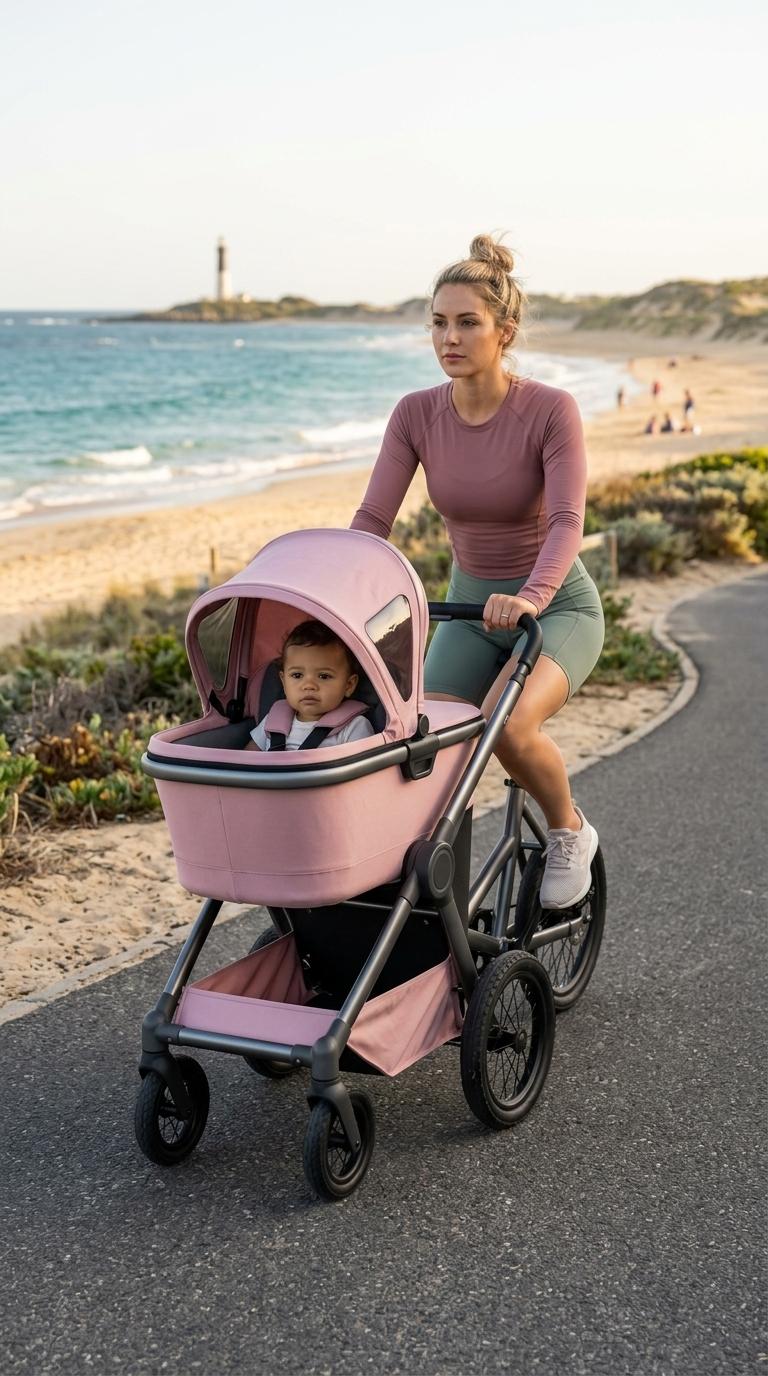
Modern motherhood demands versatility, and today’s active moms refuse to put their fitness goals on hold after having children. The bicycle stroller represents an innovative solution that bridges the gap between maintaining an active lifestyle and caring for your little one. This unique hybrid vehicle allows mothers to pedal their way through daily routines while keeping babies safe, comfortable, and engaged.
Gone are the days when having a baby meant abandoning morning jogs or bike rides. The bicycle stroller transforms ordinary errands into opportunities for exercise and fresh air. Whether navigating urban streets or exploring scenic trails, this versatile piece of equipment empowers mothers to stay committed to their health while creating precious memories with their children. The design seamlessly merges the functionality of a traditional bicycle with the safety features of a premium stroller, offering an experience that benefits both parent and child.
Understanding the Bicycle Stroller Concept
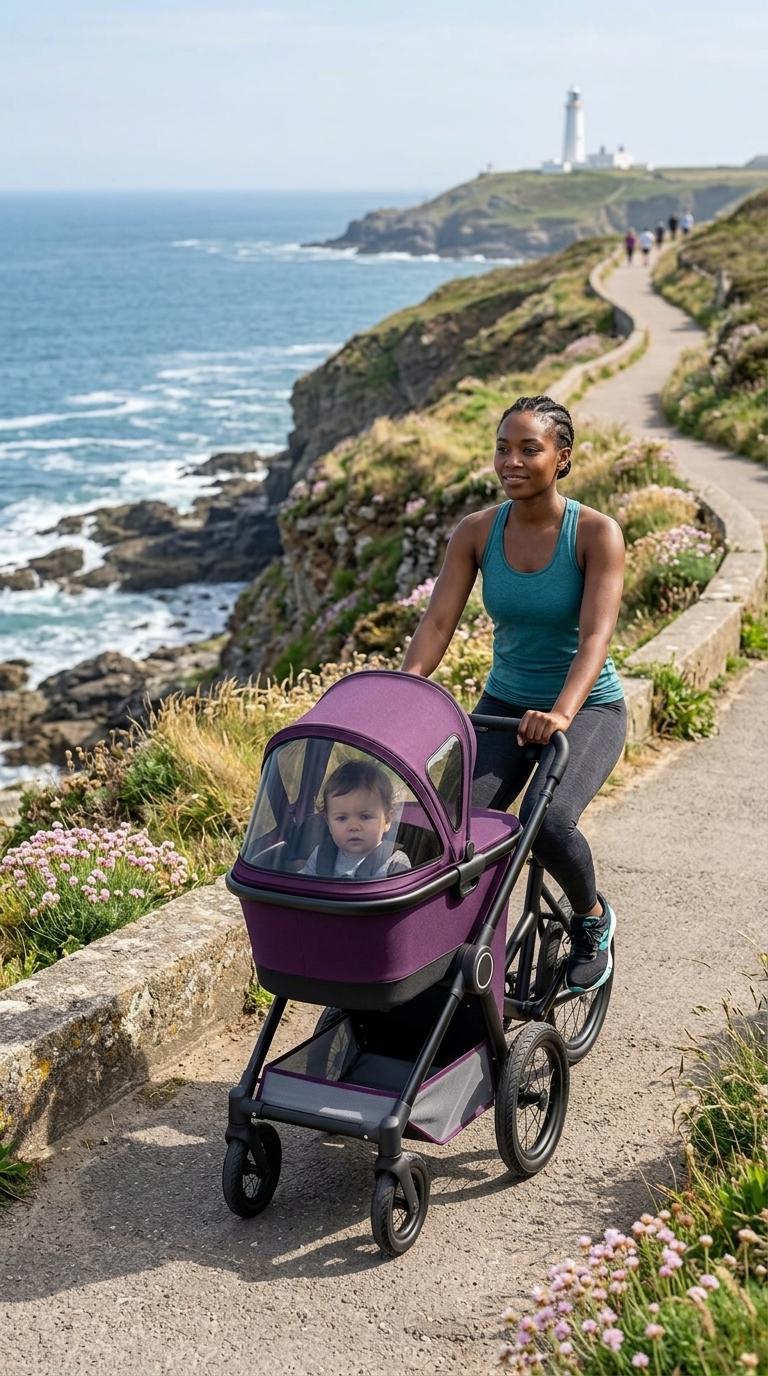
A bicycle stroller isn’t simply a bike with a stroller attached. It’s a thoughtfully engineered transportation system that prioritizes stability, comfort, and safety. The frame typically features a low center of gravity to prevent tipping, while the seating position allows the child to face forward, taking in the surroundings just like they would in a regular stroller.
The engineering behind these vehicles addresses common concerns about balance and control. Unlike cargo bikes or bike trailers, a bicycle stroller maintains the familiar handling characteristics of a standard bicycle while incorporating the suspension systems and protective features found in high-end strollers. The three or four-wheel configuration provides exceptional stability at low speeds and when stationary, making it easy to load your child, adjust their position, or pause during your journey.
Parents appreciate how the design eliminates the awkward transition between cycling and strolling modes. There’s no need to transfer a sleeping baby from a bike trailer to a stroller when you reach your destination. The bicycle stroller functions equally well on bike paths, sidewalks, and pedestrian zones, offering unprecedented flexibility for active families.
Safety Features That Matter Most
When evaluating a bicycle stroller, safety considerations should top your list. The best models incorporate multiple protective elements working together to shield your child from potential hazards. Look for vehicles equipped with five-point harness systems that keep little ones securely positioned regardless of terrain or sudden stops.
Weather protection extends beyond simple sun canopies. Quality bicycle strollers feature adjustable covers that shield against rain, wind, and harsh sunlight while maintaining adequate ventilation. Mesh panels allow air circulation during warmer months, while waterproof materials keep babies dry during unexpected showers. Some designs include clear viewing windows so children can observe their environment even when fully covered.
Braking systems deserve special attention. Reliable bicycle strollers employ dual braking mechanisms—hand brakes for the rider and parking brakes that engage when stationary. The frame should include reflectors and mounting points for lights if you plan to use the vehicle during early morning or evening hours. Sturdy construction with reinforced joints ensures the vehicle maintains integrity over years of regular use.
Suspension systems play a crucial role in protecting developing spines from road vibrations and bumps. Look for models with adjustable suspension that can be calibrated based on your child’s weight and the terrain you typically encounter. Smooth rides aren’t just about comfort—they prevent jarring movements that could disturb sleeping babies or cause discomfort during longer journeys.
Integrating Fitness Into Family Routines
One of the most compelling advantages of a bicycle stroller is its ability to transform childcare into an opportunity for physical activity. Traditional stroller walks provide some exercise, but pedaling engages different muscle groups and elevates heart rate more effectively. This means you can maintain cardiovascular fitness while spending quality time with your child rather than sacrificing one for the other.
The resistance provided by pedaling with added weight creates a natural strength-training component. Your legs, core, and even upper body work harder than during regular cycling, making each trip an efficient workout. Many mothers report that using a bicycle stroller helped them return to pre-pregnancy fitness levels more quickly than conventional exercise routines because the activity felt purposeful rather than like an additional task squeezed into an already busy schedule.
Children benefit from this active approach as well. Regular exposure to outdoor environments supports healthy development, and the gentle motion of riding helps regulate sleep patterns. Babies often nap peacefully during rides, allowing you to extend your exercise sessions while they rest. As children grow older, they begin to associate physical activity with family bonding time, establishing healthy habits that can last a lifetime.
Streamlining Daily Commutes and Errands
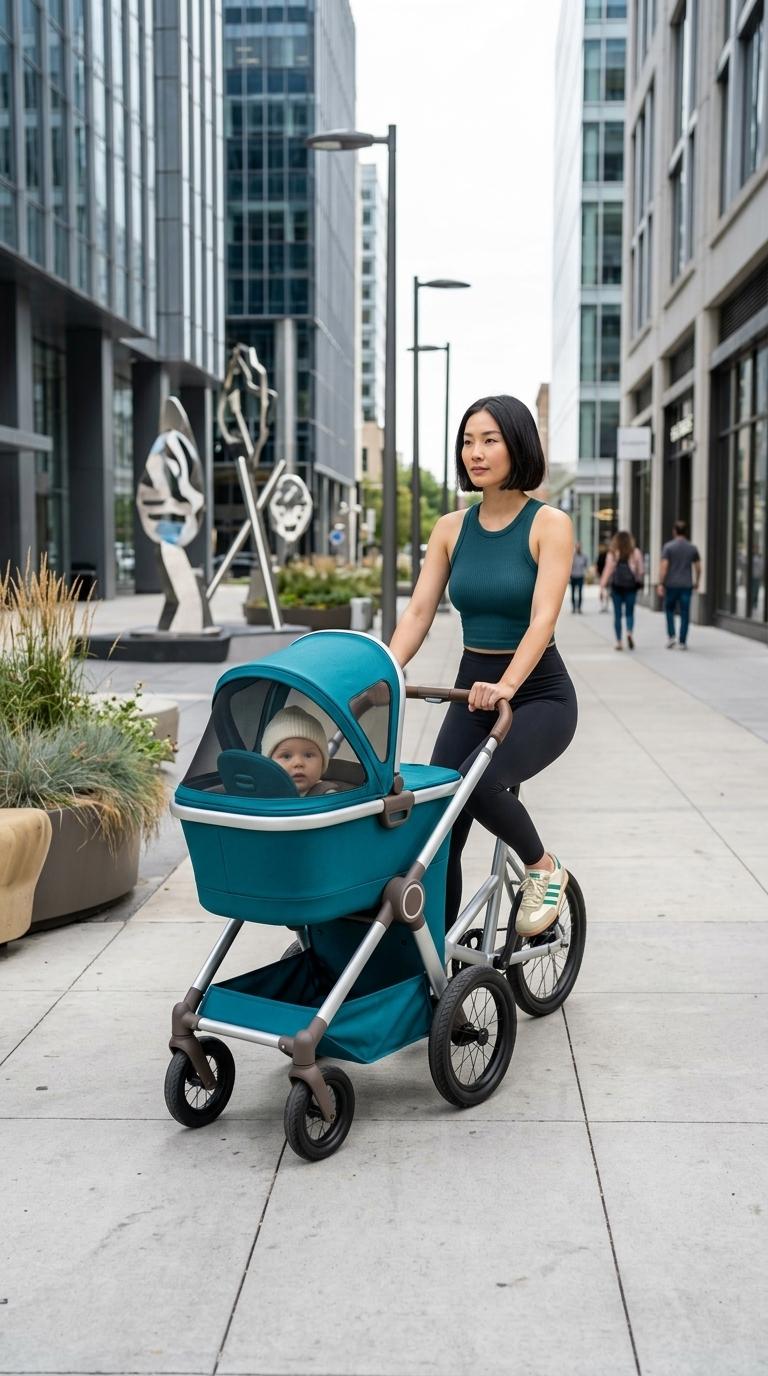
Urban parents face unique challenges when transporting children to daycare, the grocery store, or weekend activities. A bicycle stroller eliminates many frustrations associated with car travel—traffic congestion, parking difficulties, and the hassle of transferring car seats. You can navigate through congested areas more quickly while reducing your family’s carbon footprint.
Storage capacity varies among models, but most bicycle strollers include ample space for diaper bags, shopping bags, and personal items. Some feature under-seat compartments, while others offer rear racks or front baskets. This practicality means you can complete multiple tasks in a single trip—dropping off your older child at school, picking up groceries, and getting exercise all at once.
The maneuverability of a bicycle stroller proves especially valuable in tight spaces. You can easily navigate through crowded farmers’ markets, weave around obstacles on busy sidewalks, or access areas where cars cannot go. This agility reduces stress during time-sensitive situations and makes spontaneous stops more feasible when you spot an interesting shop or need to make an unplanned purchase.
Essential Features for Optimal Performance
When selecting a bicycle stroller, certain features significantly impact your daily experience. Adjustable handlebars accommodate riders of different heights, ensuring proper posture and control. This customization prevents strain during longer rides and allows multiple caregivers to use the vehicle comfortably.
Wheel size and type affect ride quality substantially. Larger wheels roll more smoothly over uneven surfaces and handle bumps with greater ease. Pneumatic tires provide superior shock absorption compared to solid rubber wheels, though they require occasional maintenance. Consider your typical routes when evaluating wheel specifications—paved paths demand different characteristics than mixed-terrain trails.
Seat adjustability enhances comfort as your child grows. Recline positions allow infants to lie flat, which is essential for proper spinal development and breathing. As babies develop head control, more upright positions enable them to engage with their surroundings. Easy conversion between positions without removing the child makes transitions seamless during outings.
Weight capacity and dimensions matter for long-term value. Choose a model that accommodates your child’s growth trajectory and fits through standard doorways if you plan to store it indoors. Foldability features simplify storage and transportation, though bicycle strollers typically require more space than conventional strollers due to their integrated design.
Maintenance and Longevity Considerations
Proper care extends the life of your bicycle stroller and ensures consistent performance. Regular cleaning prevents dirt and debris from accumulating in moving parts. Wipe down the frame after use in wet conditions, and check tire pressure weekly to maintain optimal rolling efficiency and safety.
Brake systems require periodic inspection to confirm they engage properly. Test both hand brakes and parking brakes before each use, especially if the vehicle has been stored for an extended period. Lubricate chains and pivot points according to manufacturer recommendations, typically every few months depending on usage frequency.
Fabric components benefit from occasional deep cleaning. Most covers and canopies are removable and machine washable, though you should verify care instructions specific to your model. Addressing stains promptly prevents permanent discoloration and maintains the appearance of your investment.
Real-World Applications and Versatility
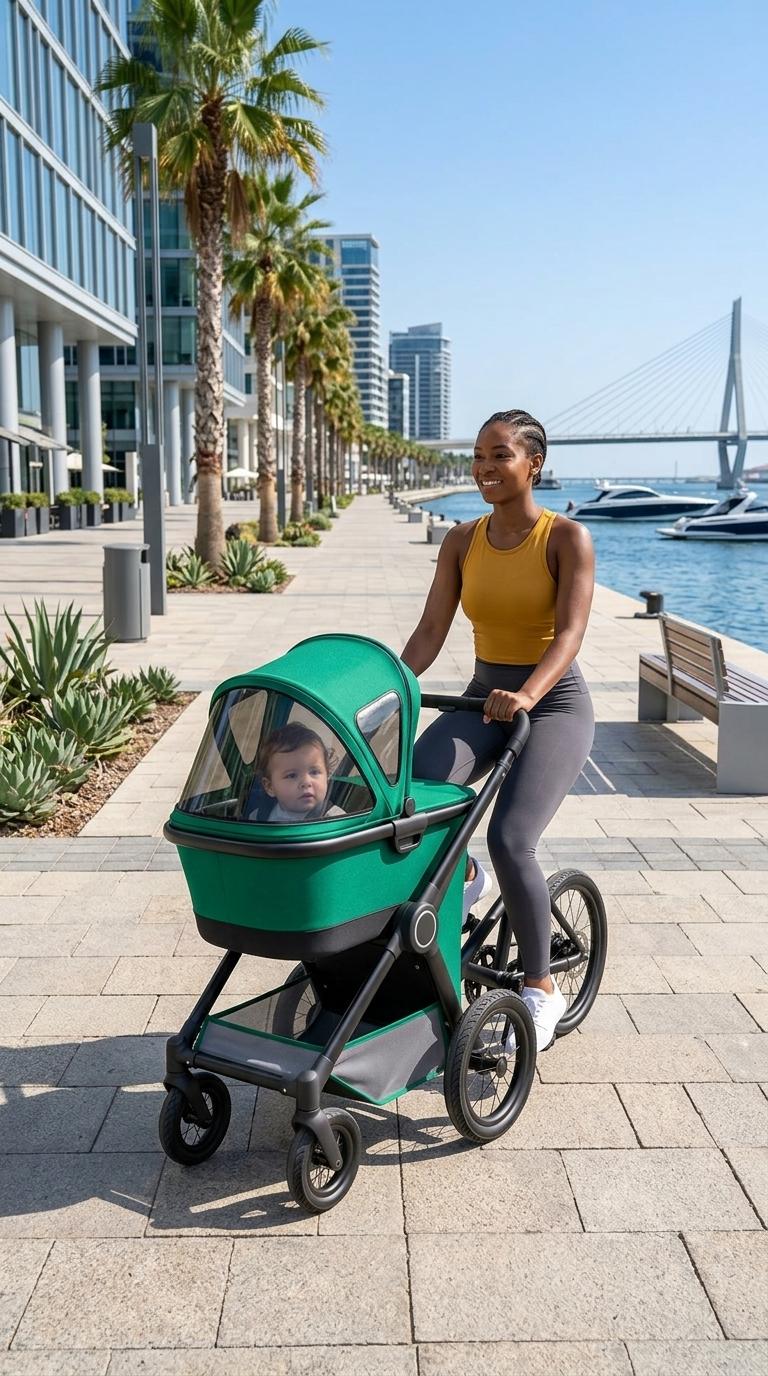
The bicycle stroller excels in diverse scenarios beyond simple point-to-point transportation. Beach paths, park trails, and neighborhood streets all become accessible exercise venues. Weekend adventures transform into family bonding experiences rather than logistical challenges requiring multiple vehicles or complicated planning.
Social interactions increase when using a bicycle stroller. The child’s forward-facing position and elevated height make it easy for them to observe and interact with their environment. Other parents often express interest in the unique vehicle, creating natural conversation opportunities during playground visits or community events.
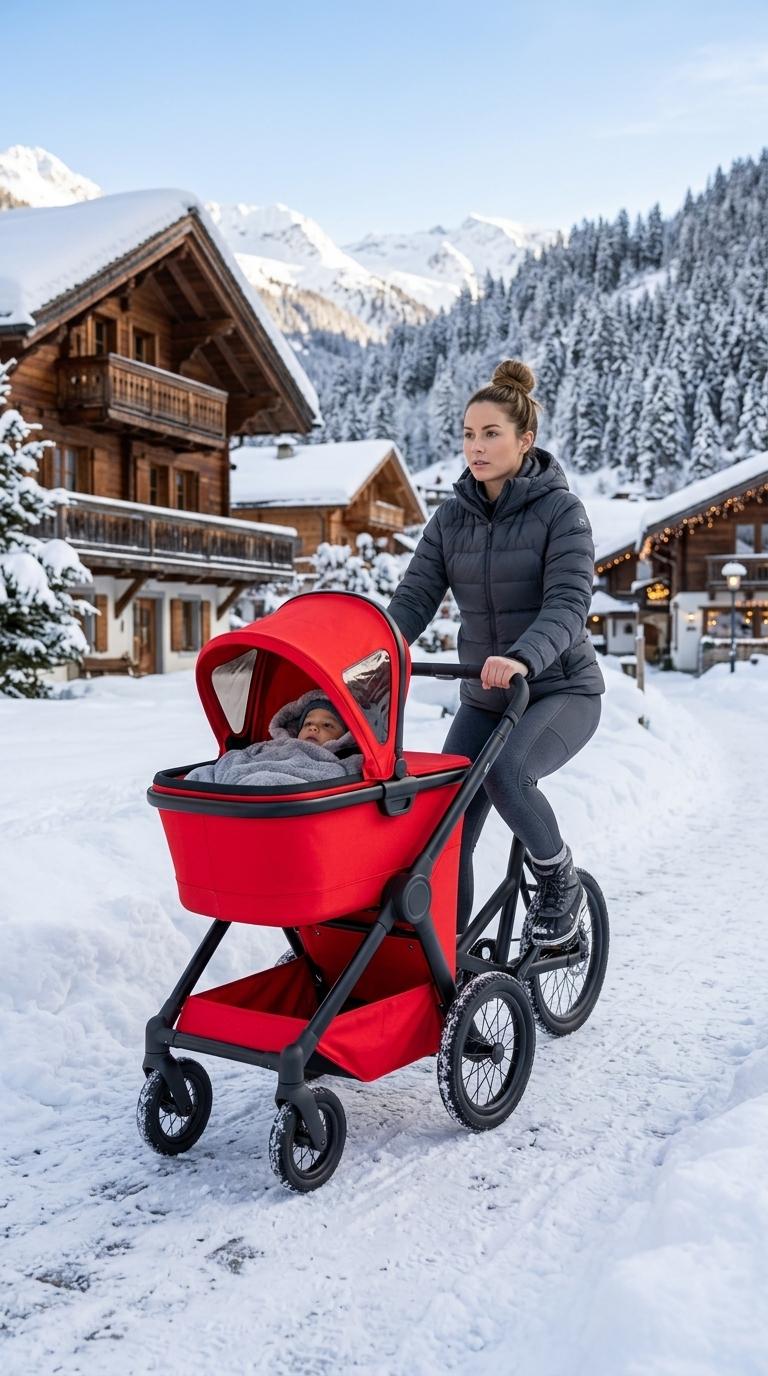
Seasonal adaptability expands usage throughout the year. With appropriate weather accessories, you can continue using your bicycle stroller during cooler months, maintaining fitness routines regardless of temperature fluctuations. The enclosed design protects against wind chill while allowing you to dress in layers appropriate for cycling exertion.
Making the Most of Your Bicycle Stroller Experience
Success with a bicycle stroller involves gradual adaptation. Start with short trips on familiar routes to build confidence and allow your child to acclimate to the experience. Pack essentials like snacks, toys, and comfort items to ensure positive associations with riding.
Plan routes that balance efficiency with enjoyment. Scenic paths provide visual stimulation for children and make exercise more pleasant for parents. Avoid heavily trafficked areas until you’ve developed proficiency in handling the vehicle in various conditions.
Connect with other parents who use bicycle strollers through local groups or online communities. These networks provide valuable tips about kid-friendly routes, maintenance advice, and moral support during the learning curve. Shared experiences often reveal creative solutions to common challenges.
Final Thoughts on Active Parenting
The bicycle stroller represents more than transportation—it embodies a philosophy that parenting and personal wellness can coexist harmoniously. By choosing this versatile option, you demonstrate commitment to your health while prioritizing time with your child. The physical benefits extend beyond calorie burning; regular outdoor activity improves mood, reduces stress, and establishes healthy patterns for your entire family.
Children raised in active households develop positive associations with movement and outdoor exploration. They learn that transportation doesn’t always require fossil fuels and that daily tasks can incorporate elements of adventure and discovery. These early experiences shape attitudes that influence lifestyle choices well into adulthood.
Embracing a bicycle stroller means rejecting the notion that motherhood requires sacrificing personal goals. Instead, it celebrates the possibility of integration—combining fitness, family time, environmental consciousness, and practical transportation into one cohesive solution. The journey you take together, whether to the store or around the block, becomes an investment in both your wellbeing and your child’s development.